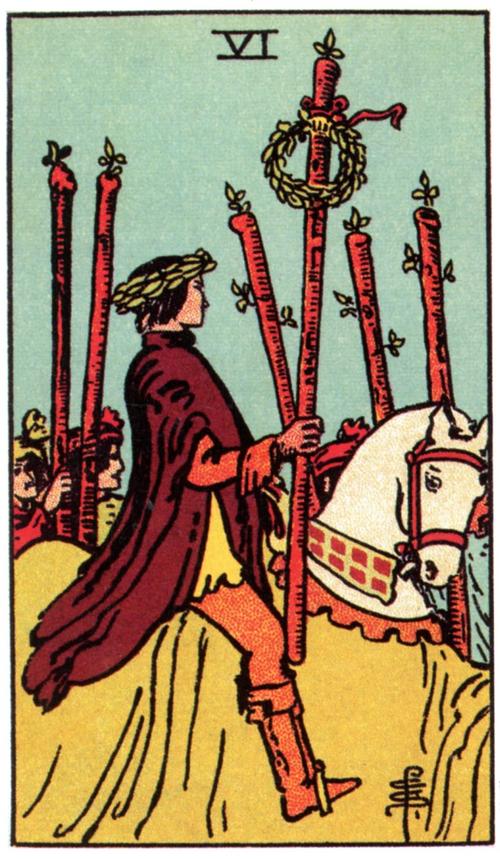
Decan Ruler (Jupiter): The greatness that is celebrated in this decan is not measured by perfection, but by the ability to overcome adversity and achieve remarkable works. This decan represents the power to achieve great works and rise to prominent positions; however, such success does not guarantee greatness of character, as ego inflation may give rise to hubris. Individuals with Jupiter in the second decan of Leo radiate a natural abundance of charisma. These natives intuitively grasp that trying to be anything other than who they are is both difficult and ultimately unproductive. Instead, they learn to shape and embody an identity that resonates with their true nature. Their growth is marked by deepening self-awareness, allowing them to express both strengths and flaws with sincerity.
Sign (Leo): While the first decan of Leo is about finding the confidence to step forward in a competitive environment and be recognized; the second decan of Leo this inner strength allows one to triumph in one’s chosen field. The first decan of Leo marked the initial meeting of spirit and appearance, while the second decan of Leo focuses on their enduring union where the persona is enlivened by the spirit. The figures are depicted as victorious and are celebrated not just for what they’ve accomplished, but for their very identity. This decan represents the moment of triumph, when one fully becomes what they set out to be, and as a result, are recognized and celebrated by others for achieving their objectives. These victories radiate like the Sun, expending more energy than they absorb; however, the victory comes from authenticity rather than the perfection of character or moral virtue.
6: Six represent purpose in the world of the element.
Tree of Life (Tiphareth in Atziluth): The Six of Wands represents Tiphareth in Atziluth. In the World of Pure Spirit, Tiphareth is the purpose of ambitions.
Sephira (Tiphareth): All sixes deal with universal harmony from elemental mastery, and correspond to the sixth sephira, Tiphareth, which is commonly referred to by Qabalists as “Beauty.” Tiphareth is associated with the Sun. The Sun, which sustains and illuminates Earth, represents the Light of the Soul and mastery over the four elemental aspects of Personality. The Sun archetype radiates life and vitality, sparking one’s unique journey to reach their highest creative potential through self-expression.
World (Atziluth): All Wands correspond to the first of four worlds, the World of Atziluth (“The World of Emanation”), which is also called the archetypal world. The element associated with the World of Atziluth is Fire.
The Story of Fire: The element of fire, traditionally symbolized by the suit of wands in the Tarot system, epitomizes the least structured and most dynamic state of physical manifestation. An intrinsic characteristic of this element is its propensity to illuminate. Attributes of fire include brightness, impatience, and ambition. Fire is the sole element possessing the capacity to generate light, thereby assertively announcing its presence. Fire exhibits the most aggressive and assertive nature among the four elements, yet paradoxically, it is also the most impermanent. This element catalyzes possibilities and actively instigates transformative change in situations, rather than passively receiving and conforming to existing circumstances. Fire shapes reality according to its indomitable will, refusing to be confined by prevailing conditions. The narratives and stories aligned with the fire element thematically revolve around creation, transmutation, and transformation.
Time of Year: August 2/3 – August 11/12
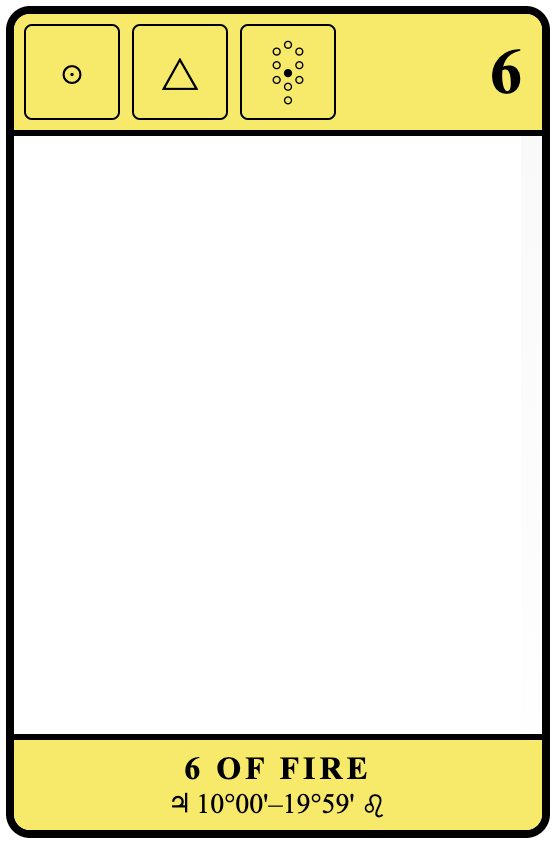
Zodiacal Longitude: 10°00’–19°59’ Leo
Color (Hex Code): #FAE94F